
HISTORY OF ALMONDS


1400 B.C.
Almonds have been mentioned in everything from Greek mythology to the bible. The Bible’s Book of Numbers tells of Aaron’s rod that blossomed and bore almonds.




100 A.D.
Newlyweds in ancient Rome were showered with almonds, then considered a fertility charm, similar to today’s custom of giving sugared almonds in North America.
100 A.D.
Newlyweds in ancient Rome were showered with almonds, then considered a fertility charm, similar to today’s custom of giving sugared almonds in North America.
600 – 900 A.D.
Almond trees flourished in areas such as Spain, Morocco, Greece, and Israel, and their harvests fed explorers traveling along the Silk Road to China. Spain is the only country that maintained a significant almond industry, and they are still a producer of almonds.



1700s A.D.
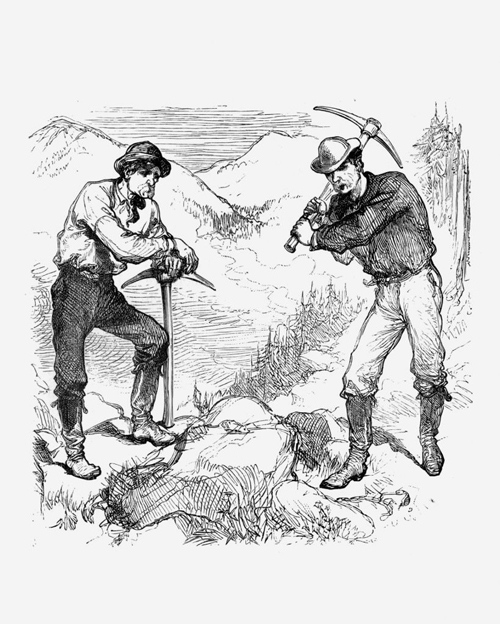
Franciscan padres brought the almond tree from Spain to California, but moist, cool weather stalled successful planting until the next century.
1890 A.D.
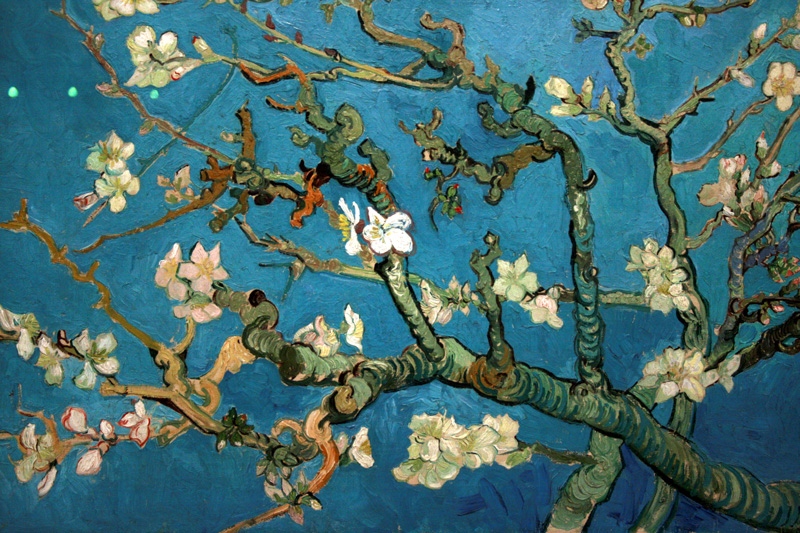
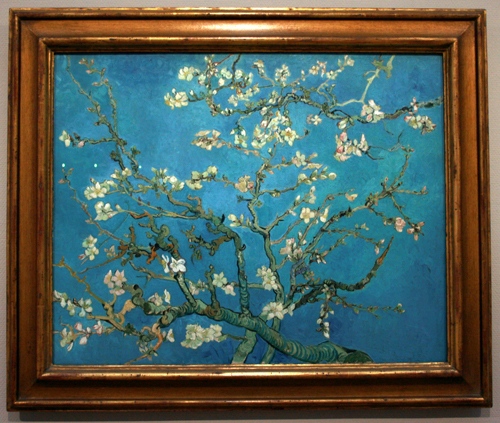
Van Gogh paints his Almond Blossoms series while living in Arlès and Saint-Rémy in Southern France. They remain some of his most beloved paintings.
1900s A.D.
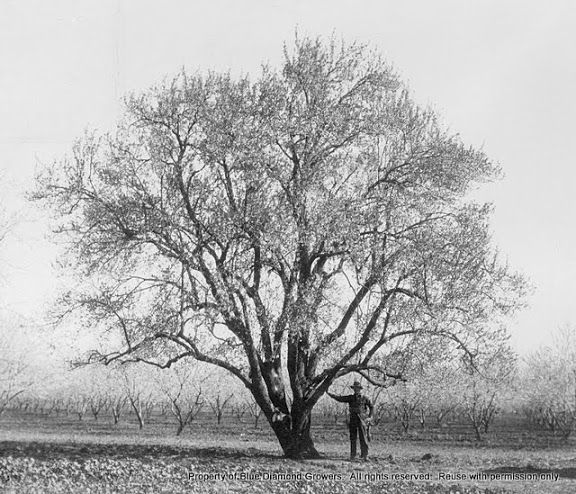
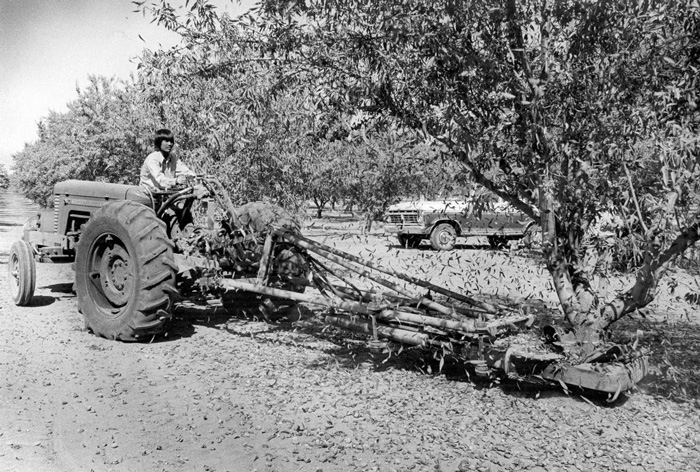
By the turn of the 20th century, California’s almond industry was firmly established, and crossbreeding had created several of today’s commonly crunched varieties.
2000s A.D.
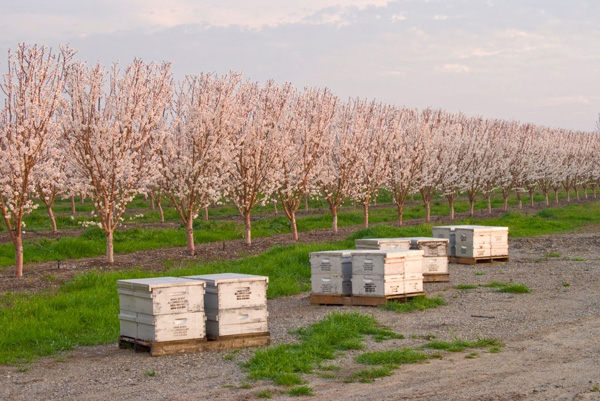
In the past 30 years, California’s almond yield has quadrupled, covering more than half a million acres in the lush San Joaquin, Fresno and Sacramento valleys.

Today

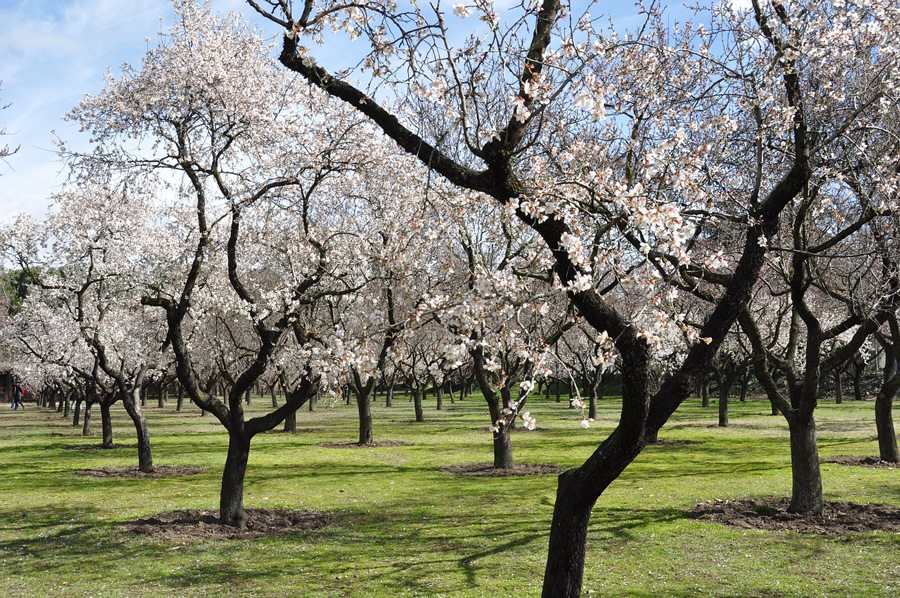
Today, the state of California is the biggest producer of almonds, growing approximately 80 percent of the world’s supply. Almonds are California’s top agricultural export and largest tree nut crop in total dollar value and acreage. They also rank as the largest U.S. specialty crop export